Top infectious diseases, sterilization & decontamination conferences in 2026

Top 10 Infectious Diseases, Sterilization & Decontamination Conferences To Attend in 2026

The infectious diseases, sterilization, and decontamination conference circuit in 2026 is the most active it has been since the pandemic. Antimicrobial resistance (AMR) is on track to cause 10 million deaths per year by 2050 (source). The EPA’s revised ethylene oxide (EtO) emissions standards are forcing sterile processing teams to re-evaluate their entire workflows.

Post-pandemic scrutiny of infection prevention and control (IPC) governance has intensified across health systems globally.

The number of events has grown alongside the urgency. This guide covers the key conferences to help professionals match their goals to the right events, from front-line NHS sterile services teams to pharma researchers and public health leaders.

Key Takeaways

  • Antimicrobial resistance dominates 2026 programming. Multiple dedicated AMR conferences have launched or expanded this year, including the inaugural IMARI.
  • Sterilization professionals face a specific regulatory moment. EPA EtO reconsideration and FDA compliance pressure are driving conference agendas at events like the Sterilization Summit USA.
  • Hybrid formats are now standard. Most major conferences offer virtual attendance, widening access for international participants.
  • Conference location shapes who you meet. US events concentrate pharma and regulatory contacts; UK and European events connect you with NHS leaders, MHRA stakeholders, and EU policy professionals.

How This List Was Compiled

To get the most out of this list, you must understand how it was prepared.

This list was built using the following criteria:

  • Scientific standing: Does the event feature peer-reviewed content or speakers from credentialed institutions?
  • Relevance to current challenges: Does it address AMR, sterilization regulation, decontamination technology, or HAI prevention?
  • Audience representation: Does it bring together academics, clinicians, industry, and regulators?
  • Geographic and role diversity: Does the list serve professionals across the US, UK, Europe, and Asia-Pacific, and across career stages?
  • Actionability: Does the programming go beyond theory to offer practical guidance?

No conference paid for placement.

Also read: 10 Best Infectious Diseases, Sterilization & Decontamination Conferences In The UK In 2026

Here’s an overview of the top infectious diseases, sterilization & decontamination conferences:

ConferenceDatesLocationBest For
IDAMR 2026Jun 25–26, 2026London, UKID physicians, AMR researchers, health economists
IDWeek 2026Oct 21–24, 2026Washington D.C., USAID clinicians, hospital epidemiologists, trainees
IMARI 2026Jan 28–30, 2026Las Vegas, USAAMR researchers, drug developers, policymakers
Sterilization Summit USATBC 2026USASterile processing teams, device manufacturers
ISAAR 2026Jun 12–14, 2026Hong KongAsia-Pacific ID and AMR researchers
DAS 2026Apr 29, 2026Solihull, UKNHS decontamination and sterile services teams
IPC 2026TBC 2026UKUK-based IPC nurses, hospital epidemiologists
IP2026Sep 28–29, 2026Leeds, UKIPC practitioners, microbiologists, health system leaders
DECON UK 2026Apr 24, 2026Wolverhampton, UKSterile services managers, decontamination leads
Infection 2026Jun 25–27, 2026Barcelona, SpainID specialists, epidemiologists, public health leaders

10 Infectious Diseases, Sterilization & Decontamination Conferences to attend (2026)

Let’s kick off with the detailed reviews.

1. IDAMR 2026

When: June 25–26, 2026

Where: London, UK

What makes it essential: The 4th World Congress on Infectious Diseases and Antimicrobial Resistance positions itself around the economic and clinical urgency of AMR. The infectious disease diagnostics market is projected to exceed $40 billion by 2028. Sessions cover next-generation antibiotics, diagnostics innovation, surveillance methodology, and antimicrobial stewardship program design.

Best for: ID physicians, pharma R&D teams, health economists, and researchers focused on antimicrobial resistance and diagnostics

Who attends: ID physicians, pharma and biotech researchers, health economists, microbiologists, and policymakers working across infectious disease science and commercial health strategy.

2. IDWeek 2026

When: October 21–24, 2026

Where: Walter E. Washington Convention Center, Washington D.C., USA (hybrid available)

What makes it essential: IDWeek is the joint annual meeting of IDSA, SHEA, HIVMA, and PIDS. It is the largest infectious diseases gathering of the year in the US. Sessions span antimicrobial resistance, healthcare-associated infections (HAIs), HIV, emerging pathogens, and infection prevention and control.

Up to 12 AMA PRA Category 1 CME credits are available. General registration opens June 2, 2026. The conference also includes a dedicated IDBugCrawl program for medical students and residents, and a NextGen ID Lounge for early-career professionals.

Best for: Infectious disease physicians, hospital epidemiologists, ID pharmacists, microbiologists, and trainees

Who attends: Clinicians, researchers, public health professionals, trainees, and pharmacists working across the full spectrum of infectious diseases.

3. IMARI 2026

When: January 28–30, 2026 (completed; watch imari.org for next edition)

Where: Las Vegas, Nevada, USA

What makes it essential: IMARI is a new conference launched jointly by the American Society for Microbiology (ASM) and IDSA. The inaugural edition took place in January 2026. Its focus is narrow and deliberate: antimicrobial resistance drug discovery, development, and the translational steps in between.

Sessions cover resistance mechanisms, AI-powered molecule design, public-private partnerships in AMR R&D, and regulatory pathways for new antimicrobials. The program is designed to attract early-career AMR researchers alongside established scientists and industry leaders.

Best for: AMR researchers, antimicrobial drug developers, clinical microbiologists, and health policy professionals

Who attends: Bench scientists, clinical microbiologists, pharma R&D teams, government agencies, and policymakers working on the AMR pipeline.

4. Sterilization Summit USA 2026

When: TBC 2026

Where: USA

What makes it essential: The Sterilization Summit USA focuses on the practical and regulatory pressures reshaping hospital sterilization services. The EPA’s 2024 tightening of ethylene oxide (EtO) emissions standards and its 2026 proposed reconsideration are driving much of the agenda. Smaller device manufacturers face real supply chain disruption if EtO facilities exit the market.

Sessions compare sterilization modalities, cover AI-driven cycle monitoring, address FDA compliance documentation, and examine alternatives to EtO including hydrogen peroxide vapor and UV-C approaches.

Best for: Sterile processing teams, hospital supply chain leads, medical device manufacturers, and regulatory affairs professionals

Who attends: Sterile processing department managers, infection prevention leads, medical device manufacturers, and regulatory affairs teams navigating EtO-related compliance changes.

5. ISAAR 2026

When: June 12–14, 2026

Where: Hong Kong Convention and Exhibition Centre, Hong Kong

What makes it essential: ISAAR is organized biennially by the Asia Pacific Foundation for Infectious Diseases (APFID), co-organized with the Hong Kong Society for Infectious Diseases and the Hong Kong Society for Microbiology and Infection. The theme for 2026 is antimicrobial resistance as a cross-border challenge.

The program draws on co-chairs from the Mayo Clinic and Samsung Medical Centre, alongside regional clinical and academic networks. For professionals working with Asian trial infrastructure or tracking how AMR stewardship is evolving outside Western healthcare systems, this is the most authoritative Asia-Pacific event of 2026.

Best for: Infectious disease clinicians, microbiologists, and public health researchers in or connected to the Asia-Pacific region

Who attends: Microbiologists, ID clinicians, pharma scientists, public health researchers, and policymakers across the Asia-Pacific region.

6. DAS 2026

When: April 29, 2026

Where: National Conference Centre, Solihull, UK

What makes it essential: DAS (Decontamination and Sterilisation Conference) is the UK’s primary event for sterile services and decontamination professionals. Programming is practice-oriented: endoscope reprocessing risks, biofilm challenges, sustainable decontamination methods, and the case for migrating from disinfection to sterilization of flexible endoscopes.

The conference exhibition includes live technology demonstrations. Sessions are designed for both frontline staff and national leaders. Attendance is drawn from NHS trusts, independent providers, and equipment suppliers across the UK and beyond.

Best for: NHS sterile services teams, decontamination leads, clinical scientists, and infection control nurses

Who attends: Sterile services managers, decontamination leads, infection prevention nurses, theatre nurses, and clinical scientists working in NHS and private healthcare.

7. IPC 2026

When: TBC 2026

Where: UK

What makes it essential: IPC 2026 brings together NHS leaders, frontline IPC practitioners, and clinical scientists. The 2026 edition sits at a significant policy moment: the UK COVID-19 Public Inquiry Module 3 report on the pandemic’s impact on healthcare systems is expected to shape several sessions, alongside the 20th anniversary of the Stoke Mandeville C. difficile report.

Sessions address HAI surveillance, point-of-care diagnostics for antimicrobial stewardship, decontamination innovations, and governance lessons from health inquiries.

Best for: IPC nurses, NHS clinical scientists, hospital epidemiologists, and infection prevention professionals at all levels

Who attends: IPC nurses and leads, NHS clinical directors, infection control teams, and healthcare scientists working across acute and community care settings.

8. IP2026

When: September 28–29, 2026

Where: Royal Armouries, Leeds, UK

What makes it essential: IP2026 is the Infection Prevention Society (IPS) Annual Conference. The conference theme for 2026 is “Technical and Digital Innovations: Diagnostics, AI and the Future of IPC.” Sessions cover rapid diagnostics, digital surveillance, robotics, AI in infection prevention, and behavioural factors in compliance.

The IPS has operated since 1970 and now represents over 2,000 healthcare professionals. Abstract submissions cover quality improvement, research, and real-world practice across acute, community, and specialist care.

Best for: IPC practitioners, microbiologists, epidemiologists, behavioural scientists, and health system leaders

Who attends: IPC practitioners, microbiologists, epidemiologists, nurses, public health professionals, and health system leaders from across the UK and internationally.

9. DECON UK 2026

When: April 24, 2026

Where: Molineux Stadium, Wolverhampton, UK

What makes it essential: DECON UK 2026 is a one-day conference jointly run by Wolverhampton NHS Trust, University Hospitals Birmingham NHS Foundation Trust, and Walsall Healthcare NHS Trust. The focus is practical decontamination education: endoscopy, procurement, waste management, and sustainability in sterile services.

It suits professionals who want applied, NHS-specific guidance in a compact format, without the scale of larger national events.

Best for: Sterile services managers, decontamination leads, endoscopy teams, and procurement professionals

Who attends: Sterile services managers, decontamination leads, theatre nurses, endoscopy staff, IPC teams, and procurement and waste management professionals.

10. Infection 2026

When: June 25–27, 2026

Where: Barcelona, Spain (hybrid available)

What makes it essential: Infection 2026 is the 10th edition of the World Congress on Infectious Diseases, running under the theme “New Frontiers in Infectious Diseases: Diagnosis, Treatment, and Control.” The program spans bacterial, viral, fungal, and parasitic infections, with tracks on emerging pathogens, infection control, and therapeutic advances.

The hybrid format enables virtual participation for international attendees who are unable to travel to Barcelona. Programming includes keynote sessions, oral and poster presentations, and interactive workshops.

Best for: Infectious disease specialists, epidemiologists, immunologists, and public health researchers seeking a broad international program

Who attends: ID specialists, epidemiologists, immunologists, public health researchers, and clinicians across all career stages.

What Most of These Conferences Have in Common

A few topics appear consistently across 2026 conference agendas:

Antimicrobial resistance (AMR) is the dominant theme

Nearly every conference on this list has dedicated sessions on resistance mechanisms, stewardship programs, and the pipeline for new antimicrobial treatments.

Post-pandemic IPC accountability is shaping UK events in particular

The COVID-19 Public Inquiry and the anniversary of C. difficile are prompting structured reflection on governance and practice.

Sustainability in sterile services is a growing trend

Events like DAS 2026 and DECON UK address how NHS teams can reduce environmental impact without compromising decontamination standards.

AI and digital tools are featured across clinical and sterilization conferences alike

From AI-driven sterilization cycle monitoring to digital surveillance in infection prevention, technology is reshaping every corner of the field.

FAQs

Which conferences are most relevant for professionals who generate real-world evidence for infectious disease programs?

RWE Connect Summit (Boston, Oct 14–15) is built specifically for RWE and HEOR professionals, translating infectious disease and outcomes data into regulatory and market access decisions.

Where can sterile processing professionals find guidance on ethylene oxide alternatives and FDA compliance in 2026?

The Sterilization Summit USA covers EtO regulatory changes, alternative sterilization modalities, and FDA compliance strategy. DAS 2026 and DECON UK address similar challenges within the NHS context.

Which 2026 conference focuses on antimicrobial resistance in the Asia-Pacific region?

ISAAR 2026 (Hong Kong, Jun 12–14) is the primary Asia-Pacific forum on antimicrobial resistance, organized biennially by the Asia Pacific Foundation for Infectious Diseases alongside regional microbiology and ID societies.

Are there UK-specific infection prevention conferences that address NHS governance and pandemic lessons?

IPC 2026 and IP2026 (Leeds, Sep 28–29) both focus on NHS infection prevention practice. IPC 2026 directly addresses the UK COVID-19 Public Inquiry Module 3 findings and the Stoke Mandeville report anniversary.

How do these sterilization and decontamination conferences differ from broader infectious disease events?

Sterilization and decontamination conferences focus on equipment, processes, regulatory compliance, and operational challenges for sterile services teams. Broader infectious diseases conferences focus on clinical management, AMR, epidemiology, and treatment. The two audiences overlap in infection prevention and control but have distinct programming priorities.

#InfectionPrevention
#Decontamination
#SterileServices
#AMR
#NHS
Share this article:

Best infectious diseases, sterilization & decontamination conferences in the UK in 2026

10 Best Infectious Diseases, Sterilization & Decontamination Conferences In The UK In 2026

The UK’s infectious diseases, sterilization, and decontamination conference calendar in 2026 is unusually active. The COVID-19 Public Inquiry Module 3 report on the pandemic’s impact on healthcare systems is reshaping how NHS teams think about infection prevention and control (IPC). The 20th anniversary of the Stoke Mandeville C. difficile report has reopened governance questions that never fully closed. And the ongoing pressure to reduce reliance on certain sterilization chemicals is forcing sterile services teams to act.

The result is a dense calendar, with events ranging from single-day NHS practitioner events to two-day national conferences drawing speakers from UKHSA, NHS England, and leading teaching hospitals. This guide maps the key UK events, who attends each one, and what the programming covers.

Key Takeaways

  • The UK has dedicated events for both decontamination and sterile services teams (DAS 2026, CSC ASM, DECON UK) and broader infection prevention conferences (IPC 2026, IP2026). These serve different audiences and are worth attending separately.
  • April 2026 is the busiest month. Three decontamination and sterile services events land within ten days: CSC ASM (Apr 20–21), DECON UK (Apr 24), and DAS 2026 (Apr 29).
  • Antimicrobial resistance and antimicrobial stewardship run through every UK conference on this list, from frontline IPC events to clinical microbiology meetings.
  • CPD and RCPath accreditation are available at several events, making conference selection a practical professional development decision for NHS scientists and clinicians.

How This List Was Compiled

To get the most out of this list, you must understand how it was prepared.

This list was built using the following criteria:

  • UK location or strong UK audience: Priority given to events held in England, Wales, Scotland, or Northern Ireland, or with programming specifically relevant to NHS practice
  • Relevance to infectious diseases, sterilization, or decontamination: Does the event address HAIs, AMR, decontamination processes, sterile services compliance, or infection prevention?
  • Organizational credibility: Events run by established professional bodies (BSAC, IPS, CSC) are weighted higher than commercially organized events
  • Practical value for NHS professionals: Does the programming translate into day-to-day clinical or operational improvements?
  • CPD or RCPath accreditation: Noted where confirmed, as this influences attendance decisions for NHS scientists and clinicians

No conference paid for placement.

Here’s an overview of the top infectious diseases, sterilization & decontamination conferences:

ConferenceDatesLocationBest For
DAS 2026Apr 29, 2026SolihullNHS sterile services and decontamination teams
DECON UK 2026Apr 24, 2026WolverhamptonSterile services managers, endoscopy, procurement
CSC Annual Scientific Meeting 2026Apr 20–21, 2026NottinghamDecontamination scientists, reusable medical device leads
IPC 2026TBC 2026UKIPC nurses, NHS infection prevention leads
IP2026 — IPS Annual ConferenceSep 28–29, 2026LeedsIPC practitioners, microbiologists, AI and digital health
IPC Route to Net Zero 2026Mar 13, 2026SheffieldIPC and sustainability professionals
BSAC Spring Conference 2026May 14–15, 2026London (hybrid)Infectious disease clinicians, infection pharmacists
BSAC Infection 2026Dec 9–10, 2026London (hybrid)Clinical microbiologists, ID physicians
18th Euro-Global Infectious Diseases ConferenceApr 16–17, 2026LondonID researchers, epidemiologists, public health professionals
GIOH 2026Sep 21–23, 2026London (hybrid)ID researchers, genomics, One Health

The 10 Best Infectious Diseases, Sterilization & Decontamination Conferences To Attend in 2026

Let’s review each conference in detail.

1. DAS 2026

When: April 29, 2026

Where: National Conference Centre, Solihull

What makes it essential: DAS is the UK’s flagship annual event dedicated to the decontamination, sterilisation, and validation of reusable medical devices. Over seven hours of CPD-accredited sessions cover everything from HTM 01-01 (Health Technical Memorandum) updates to net zero sustainability within sterile services. Sessions in 2026 address endoscope reprocessing risks, biofilm challenges, sustainable decontamination methods, and the ongoing debate around whether the UK should move from disinfection to sterilization of flexible endoscopes.

The programme is built for both frontline staff and national NHS leaders. The exhibition runs alongside CPD sessions and includes live technology demonstrations.

Best for: NHS sterile services teams, decontamination leads, CSSD and SSD managers, biomedical engineers, and infection control specialists

Who attends: CSSD and SSD managers, biomedical engineers, JAG assessors, infection control specialists, regulatory bodies, and theatre nurses from NHS trusts and independent providers across the UK.

2. DECON UK 2026

When: April 24, 2026

Where: Molineux Stadium, Wolverhampton

What makes it essential: DECON UK 2026 is a free one-day conference run jointly by The Royal Wolverhampton NHS Trust, Walsall Healthcare NHS Trust, and University Hospitals Birmingham NHS Foundation Trust. The programme covers decontamination within pharmacy aseptic services, endoscopy, procurement, waste management, and sustainability in sterile services.

Its NHS-run, no-cost format makes it one of the most accessible decontamination events in the UK. The practical focus suits frontline staff who need applied guidance without the scale of larger national events.

Best for: Sterile services managers, decontamination leads, endoscopy teams, theatre nurses, and procurement and waste management teams

Who attends: Sterile services managers, decontamination leads, theatre nurses, endoscopy staff, IPC teams, and procurement and waste management professionals from NHS trusts across the Midlands and beyond.

3. CSC Annual Scientific Meeting 2026

When: April 20–21, 2026

Where: Nottingham

What makes it essential: The Central Sterilising Club (CSC) has run its Annual Scientific Meeting since 1960. The 2026 programme covers the risk balance of reprocessing orthopaedic implants versus single-use alternatives, cleaning complex reusable tools, the risks of sustainability decisions made without adequate evidence, and whether the UK should abandon HTMs in favour of international decontamination standards.

The CSC is the original UK decontamination forum solely dedicated to cleaning, disinfection, and sterilization. Its two-day format allows deeper technical discussion than single-day events.

Best for: Decontamination scientists, reusable medical device leads, sterile services managers, and clinical scientists

Who attends: Decontamination scientists, clinical scientists, sterile services managers, infection control specialists, and healthcare professionals working across all aspects of medical device reprocessing.

4. IPC 2026

When: TBC 2026

Where: UK

What makes it essential: IPC 2026 arrives at a policy-defining moment. The UK COVID-19 Public Inquiry Module 3 report and the 20th anniversary of the Stoke Mandeville C. difficile report are both shaping the agenda. Sessions cover HCAIs and emerging threats, antimicrobial resistance, outbreak response, environmental reservoirs, transmission risks in critical care, and the role of human factors in reducing infection risk.

Speakers include consultants from Leeds Teaching Hospitals NHS Trust, NHS England’s HCID Networks Coordinator, a Professor of Pharmaceutical Microbiology from Cardiff University, and an Emeritus Professor from Leiden University.

Best for: IPC nurses, NHS clinical scientists, infection prevention leads, and hospital epidemiologists

Who attends: IPC nurses and leads, NHS clinical directors, infection control teams, and healthcare scientists working across acute and community care settings.

5. IP2026 — IPS Annual Conference

When: September 28–29, 2026

Where: Royal Armouries, Leeds

What makes it essential: The Infection Prevention Society (IPS) annual conference theme for 2026 is “Technical and Digital Innovations: Diagnostics, AI and the Future of IPC.” Six themed content streams cover antimicrobial stewardship, decontamination science, AI and digital innovation, behavioural science, safe environments, and pandemic preparedness.

Programming includes the prestigious Cottrell, Tina Bradley, and Ayliffe Lectures, alongside oral and poster presentations, industry symposia, and parallel scientific sessions. Early bird registration is open until May 25, 2026. IPS members pay from £390 for full conference access.

Best for: IPC practitioners, microbiologists, epidemiologists, behavioural scientists, and health system leaders

Who attends: IPC practitioners, microbiologists, epidemiologists, nurses, public health professionals, and health system leaders from across the UK and internationally.

6. IPC Route to Net Zero Conference 2026

When: March 13, 2026 (completed; check ips.uk.net for the next edition)

Where: Novotel Sheffield Centre, Sheffield

What makes it essential: This IPS Sustainability Special Interest Group conference focuses on the relationship between infection prevention and control and sustainable healthcare delivery. Sessions address IPC’s role as an enabler of net zero, real-world case studies of sustainable decontamination projects, and the challenge of reducing healthcare’s environmental impact without compromising patient safety.

Best for: IPC practitioners, sustainability leads, NHS estates and facilities teams, and clinical scientists interested in greener decontamination and infection prevention practice

Who attends: IPC practitioners, sustainability professionals, NHS estates teams, and clinical scientists working at the intersection of infection prevention and environmental sustainability.

7. BSAC Spring Conference 2026

When: May 14–15, 2026

Where: London and online (hybrid)

What makes it essential: The British Society for Antimicrobial Chemotherapy (BSAC) Spring Conference theme for 2026 is “Advancing Infection Management: From Global Challenges to Clinical Innovation.” Sessions address antimicrobial diagnostics, urinary tract sepsis, hospital-acquired pneumonia and ventilator-associated pneumonia (HAP/VAP), carbapenem-sparing treatments, and antimicrobial susceptibility testing updates.

The hybrid format makes it accessible for NHS staff across the UK who cannot travel to London. Programming is designed to deliver evidence-based learning applicable directly to clinical decision-making and antimicrobial stewardship.

Best for: Infectious disease clinicians, clinical microbiologists, infection pharmacists, GPs, and researchers

Who attends: Infectious disease physicians, clinical microbiologists, infection pharmacists, GP researchers, public health professionals, and any clinician committed to fighting infection across primary and secondary care.

8. BSAC Infection 2026

When: December 9–10, 2026

Where: London and online (hybrid)

What makes it essential: BSAC Infection 2026 is the Society’s annual winter conference. Previous editions have featured sessions bridging the lab and the clinic: clinical-pathological case studies, next-generation diagnostics for virology, AMR surveillance, and the BSAC Resistance Surveillance Project findings. RCPath CPD accreditation has been confirmed in previous years; 2026 details to follow.

Speakers have historically come from UKHSA, Imperial College Healthcare NHS Trust, UCLH, NHS Greater Glasgow, and international collaborators.

Best for: Clinical microbiologists, infectious disease physicians, infection pharmacists, and trainees in ID and clinical microbiology

Who attends: Consultant microbiologists, infectious disease clinicians, infection pharmacists, and trainees from across the UK and internationally.

9. 18th Euro-Global Infectious Diseases Conference

When: April 16–17, 2026

Where: London

What makes it essential: The 18th Euro-Global Conference on Infectious Diseases brings together researchers, clinicians, microbiologists, epidemiologists, and public health professionals in London for two days of plenary sessions, oral and poster presentations, panel discussions, and industry workshops. Sessions cover infection control and hospital-acquired infections, antimicrobial resistance, vaccines, diagnostics, and emerging pathogens. Accepted abstracts are published in Conference Series journals.

Best for: Infectious disease researchers, clinicians, epidemiologists, and early-career scientists

Who attends: ID researchers, clinicians, microbiologists, epidemiologists, public health professionals, pharmaceutical industry representatives, and early-career scientists.

10. GIOH 2026

When: September 21–23, 2026

Where: London (hybrid)

What makes it essential: GIOH 2026 runs under the theme “From Breakthroughs to Preparedness: The Next Era of Infectious Diseases.” The conference is CPD-accredited and covers molecular biology, genomics, digital biosurveillance, AI-driven disease prediction, and outbreak preparedness. Sessions address human, animal, and environmental health in an integrated framework.

Best for: Infectious disease researchers, genomics scientists, public health professionals, and clinicians working within a One Health framework

Who attends: ID researchers, clinical scientists, veterinarians, public health officials, data scientists, and policymakers working across human, animal, and environmental health.

What the 2026 UK Conference Calendar Tells Us

Several themes shape the UK calendar this year as the field responds to post-pandemic governance and sustainability pressures. Understanding these trends helps you identify which events will be most valuable for your work:

April is the month for decontamination

Three dedicated decontamination and sterile services events land within ten days of each other. Professionals in this space can attend all three without major travel disruption.

Post-pandemic governance is shaping the IPC agenda

IPC 2026 and IP2026 both address the COVID-19 Public Inquiry findings directly. This is not background context; it is active programming.

Sustainability has moved from fringe to mainstream

The IPC Route to Net Zero conference is a dedicated event. IP2026 includes it as a content stream. DAS 2026 covers it in the context of sterile packaging and chemical reduction.

Hybrid is now a baseline expectation

BSAC, GIOH, and the BSAC Infection 2026 winter conference all offer virtual attendance. NHS professionals in regional trusts no longer need to travel to London to access the best clinical infectious diseases content.

Plan Your 2026 UK Conference Calendar

The events above cover every professional working in UK infectious diseases, sterilization, and decontamination, from bedside IPC nurses to SSD managers to clinical microbiologists.

A practical approach for 2026:

  • If your work centres on decontamination and sterile services, the April cluster (CSC ASM, DECON UK, DAS 2026) gives you three events in ten days, each serving a slightly different audience and depth of content.
  • If your focus is infection prevention practice, IPC 2026 and IP2026 together give you the most comprehensive NHS-specific programming of the year, with governance, diagnostics, AI, and antimicrobial stewardship all covered.
  • If your work sits in clinical infectious diseases or antimicrobial science, BSAC’s two conferences (May and December) are the most credentialed UK events on the calendar, with CPD accreditation and programming built around evidence-based clinical practice.

Check each conference’s official website for registration deadlines, CPD details, and abstract submission windows, as several open early in the year.

FAQs

Which UK decontamination conferences in 2026 are free to attend?

DECON UK 2026 (Wolverhampton, Apr 24) is a free NHS-run event. The DAS 2026 conference charges delegate fees but offers CPD-accredited sessions covering the full range of NHS decontamination and sterile services practice.

Which 2026 UK conference is most focused on antimicrobial resistance and stewardship for NHS clinicians?

The BSAC Spring Conference 2026 (London, May 14–15) covers antimicrobial diagnostics, stewardship, and resistance most directly for NHS clinical teams. It is hybrid, making it accessible outside London.

Are there UK events specifically covering the overlap between infection prevention and environmental sustainability?

The IPC Route to Net Zero Conference (Sheffield, Mar 13) is dedicated entirely to this intersection. IP2026 (Leeds, Sep 28–29) also includes a content stream on sustainable decontamination and infection prevention practice.

Which events carry RCPath CPD accreditation for biomedical scientists and clinical microbiologists?

The BSAC Infection 2026 winter conference has carried RCPath CPD credits in previous years. DAS 2026 offers over seven hours of CPD-accredited sessions for sterile services professionals. Confirm 2026 accreditation details directly with each organizer.

How do the three April decontamination events differ from each other?

CSC ASM (Apr 20–21) is the most technical, focused on scientific and standards-based decontamination debate. DECON UK (Apr 24) is a free, NHS trust-run event with a practical operational focus. DAS 2026 (Apr 29) is the largest, covering the broadest range of sterile services topics with a full exhibition alongside the CPD programme.

#InfectionPrevention
#Decontamination
#SterileServices
#AMR
#NHS
Share this article:

Speaker Spotlight Series: Pioneers Shaping IO Biomarker Science

Speaker Spotlight Series: Pioneers Shaping IO Biomarker Science

ImmunoMark Summit | UK Edition 2026 | London

ImmunoMark Summit is the global conference series at the intersection of Immuno-Oncology and Biomarker Discovery. Conceptualized and curated by Convolign Business Consulting.

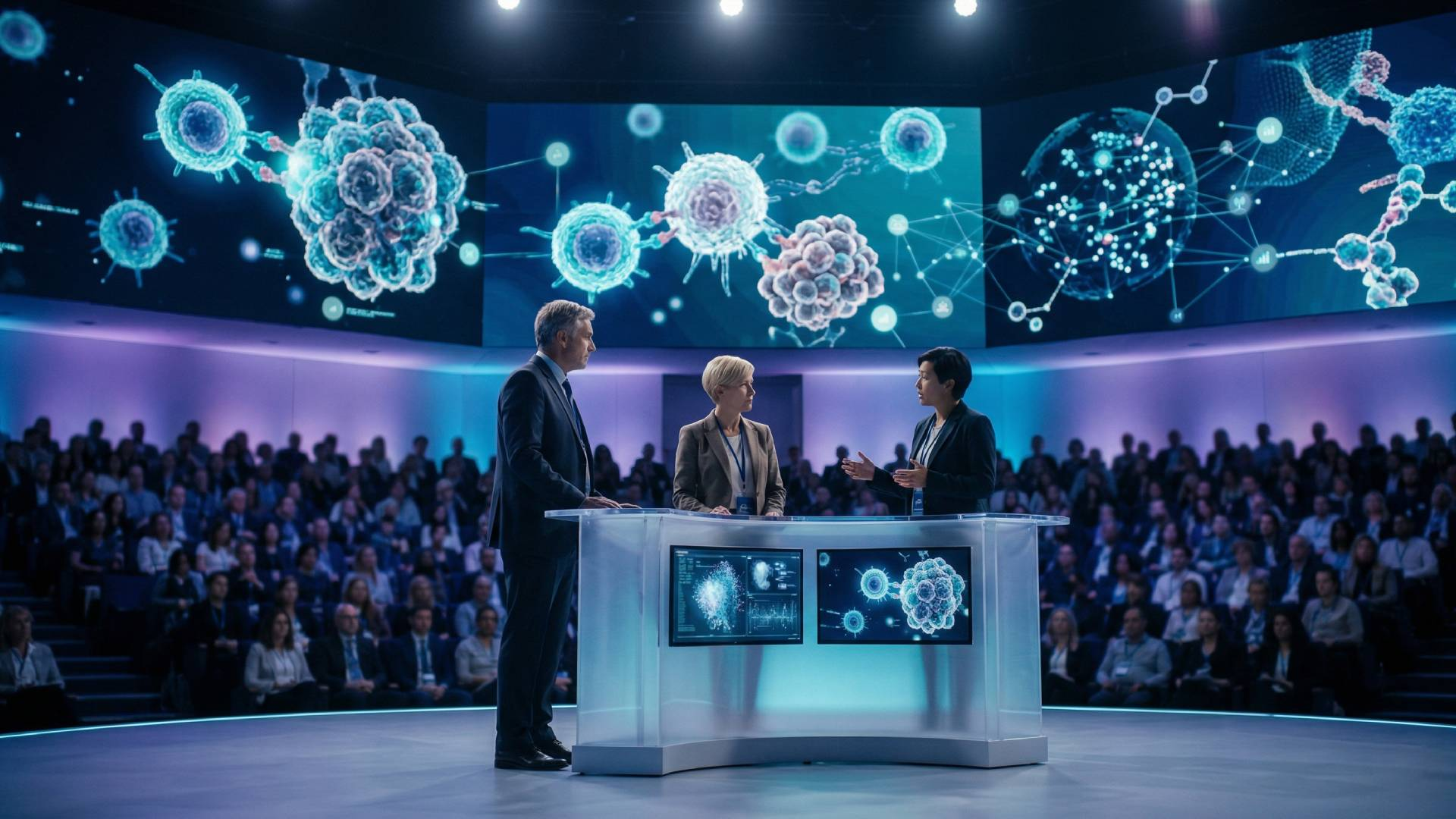
When the ImmunoMark Summit touched down in London on 5–6 March 2026, it brought together over 400 scientists, executives, and innovators at the DoubleTree by Hilton, Tower of London. Two packed days. Two parallel streams. And a room full of people who are actively shaping where immuno-oncology and biomarker science go next.

One of the things that makes ImmunoMark Summit stand out is the calibre of the people it puts on stage. We sat down with three of the summit’s keynote speakers to understand what drives their work, what they shared with the audience in London, and what they believe the field needs most right now.

Key takeaways

  • Biomarkers are the connective tissue of modern IO. Across discovery, clinical development, and commercial strategy, every speaker at ImmunoMark Summit London 2026 pointed to biomarkers as the thread that holds the whole enterprise together.
  • The field’s biggest challenge is integration, not invention. The science of biomarker discovery has matured. What needs work is how biomarker data flows across functions, from the lab into clinical decisions and from clinical evidence into market access strategy.
  • Precision only pays off when it starts early. Programs that build companion diagnostic thinking in from day one outperform those that treat it as a downstream task. That was a shared conviction across all three profiles in this piece.
  • ImmunoMark Summit is where this conversation happens across silos. Bringing together a CSO from biotech, a VP from a global pharma bioanalysis function, and a commercial franchise head onto the same agenda is exactly the kind of cross-functional alignment the field needs more of.

“The target was right in front of us”

A conversation with Dr. Louis Boon, CSO, JJP Biologics

Dr. Louis Boon has spent decades in biologics, working across some of the most formative chapters in monoclonal antibody development. Today, as Chief Scientific Officer and Management Board Member at JJP Biologics, a Polish biotech backed by the Starak family, he is focused on what he calls a fundamentally overlooked checkpoint pathway.

His keynote opened Stream 01 (Next-Gen Immuno-Oncology) and centred on JJP-1008, a novel checkpoint inhibitor antibody targeting HVEM, also known as CD270. The regulatory interactions at this receptor have long been recognised in immunology, but their therapeutic potential in oncology is only now being properly explored.

What brought you to this target?

“Most checkpoint programs go after well-validated targets. We asked a different question: where is high tumour expression actually working against the patient? HVEM is one of those targets. High CD270 expression is generally disadvantageous for the patient. JJP-1008 is designed to flip that and convert the tumour’s advantage into an immune-stimulatory benefit.”

The science is precise. By selecting the right anti-CD270 antibody, the team at JJP Biologics is aiming to turn a known liability into a clinical opportunity, in both solid tumours and haematological malignancies.

What does the companion diagnostics piece look like?

“We build our programs around companion diagnostics from day one. That is how you select the right patients. It is how you reduce development costs and increase the chance of success. Biomarker strategy and therapeutic strategy should not be separate conversations.”

This is a principle JJP Biologics holds across its pipeline, which also includes JJP-1212, a potential first-in-class CD89 antagonist for autoinflammatory diseases. Both programs are anchored in early companion diagnostic selection, a discipline that resonates strongly with the ImmunoMark Summit community.

Dr. Boon holds a PhD in Biochemistry from the University of Amsterdam and has founded or co-founded multiple companies focused on therapeutic monoclonal antibodies. He has held CSO roles at Polpharma Biologics, Bioceros, 4AZA Bioscience, and others. For someone with that kind of track record, the conviction he brings to JJP’s work feels earned.

What do you hope the audience took away from London?

“That novel biology is still out there. You do not always need to go after the same targets. Sometimes the most interesting opportunity is hiding in plain sight, in a pathway everyone knows but no one has fully worked on.”

“Biomarkers have to drive decisions, not just describe them.”

A conversation with John Smeraglia, VP Head of Global Integrated Bioanalysis, AstraZeneca

John Smeraglia gave the keynote for Stream 02 (Biomarkers & CDx) and the title of his talk told you everything about his perspective: biomarker strategy as a clinical decision-making tool.

Smeraglia is based in Cambridge and leads global integrated bioanalysis at AstraZeneca, one of the world’s most biomarker-forward oncology organisations. He has spent over 26 years working in bioanalytical sciences, first in the US and then across the EU, at both innovator drug development companies and CROs. His background spans ADME, pharmacokinetics, immunogenicity, and translational biomarker development. Before joining AstraZeneca, he served as Senior Director of Translational Biomarkers and Bioanalysis at UCB.

Where do you see the biggest gap in how biomarkers are used today?

“The problem is not always the science. It is how biomarker data gets used. You can have a well-validated assay and still have biomarker findings that do not meaningfully influence the trial. That gap, between what the biomarker tells you and how teams actually act on it, is where I spend a lot of time.”

His work at AstraZeneca reflects this focus. The organisation has invested heavily in computational pathology, including a fully automated solution called Quantitative Continuous Scoring, which goes beyond detecting the presence or absence of a biomarker to measuring its expression level and localisation within cells. The goal is to make biomarker output richer, more actionable, and better integrated into clinical decision-making.

How do you approach the selection of the right biomarker and analytical method for a given study?

“It starts with the biology and the mechanism. What are you actually trying to measure, and why? Then you work backward to the assay. You have to ask yourself whether this biomarker will tell you something you can act on. If the answer is no, you need a different biomarker.”

Smeraglia has published on and contributed to workshops on regulated bioanalysis, biomarker assay validation, and immunogenicity. He has been a consistent voice in industry efforts to harmonise how biomarker data is generated and reported. That cross-industry perspective was evident in how he framed the London discussion: not just as an AstraZeneca problem to solve, but as a shared challenge for the whole field.

What is the question you keep coming back to?

“Are we building biomarker programs that tell us something we already believe, or ones that can genuinely surprise us? If it is the former, we are confirming hypotheses. We need to be in a place where biomarker data can challenge assumptions and change the course of a trial.”

“Biomarkers are a market-making force, not a footnote.”

A conversation with Yariv Hefez, SVP Head of Global Business Franchise Oncology, Merck Group

If anyone in the room understands the commercial weight of a well-chosen biomarker, it is Yariv Hefez. As Senior Vice President and Head of Merck’s Global Business Franchise for Oncology, he has led the strategy behind therapies like Bavencio, Erbitux, and Tepmetko and has spent more than 23 years navigating the intersection of oncology science and global commercial execution.

At ImmunoMark Summit London, Hefez moderated the landmark panel discussion that closed the Biomarkers & CDx stream: Biomarkers as Market-Makers in Oncology. The panel brought together voices from J&J and Roche, and the conversation covered how biomarker-driven patient stratification shapes not just clinical outcomes but commercial strategy, market access, and reimbursement.

How did the idea of biomarkers as “market-makers” land with the room?

“People know biomarkers are scientifically important. What we do not always talk about is the commercial dimension. A strong biomarker that lets you identify who will respond to your drug is not just good science. It is a competitive asset. It is how you build a durable treatment franchise.”

Tepmetko is a clear example of this thinking in practice. The drug targets patients with MET exon 14 deletion non-small cell lung cancer, a rare variant precisely identified through a biomarker, and that precision is exactly what makes it viable both clinically and commercially. As Hefez put it, “the beauty of Tepmetko is that we have such a good biomarker that allows us to know who is going to benefit.”

What do you think is still missing in how the industry approaches biomarker strategy commercially?

“There is still a tendency to treat biomarker development as a scientific activity that happens upstream and then feeds into commercial strategy. The most successful programs are the ones where commercial, market access, and science are aligned from the beginning. Biomarker strategy should not be handed off. It should be co-owned.”

Hefez has built a reputation as someone who brings market access into the room early and holds it there. Under his leadership, Merck’s oncology franchise has grown significantly, with launches that required not just scientific rigour but a deep understanding of health economics and reimbursement systems across global markets.

What is the broader signal the field should take from conversations like this one?

“That the era of treating biomarkers as optional add-ons is over. If you are developing a drug without a clear biomarker story, you are going to find it harder to get reimbursed, harder to get prescribers on board, and harder to compete. Biomarkers are not a nice-to-have. They are the foundation.”

What the room said back

The post-event survey data from ImmunoMark Summit London 2026 shows an audience that felt the programme delivered. Sponsors from organisations including Miltenyi Biotec, Rouken Bio, and HAWK Biosystems commented on the quality of the scientific discussions and the calibre of attendees. The event drew professionals across pharma, biotech, academia, hospitals, and CROs, roughly 60% from the UK and Ireland and 40% from the rest of Europe.

The Biomarkers as Market-Makers panel, in particular, drew strong engagement. Moderating a cross-industry conversation between speakers from Merck, J&J, and Roche in front of a senior audience is no small task, and Hefez’s ability to hold the room while drawing out commercially candid perspectives was widely noted.

The two parallel streams, Next-Gen IO and Biomarkers & CDx, ran simultaneously across both days, letting attendees build a focused, relevant programme for themselves. Sessions ranged from CAR-T multi-antigen targeting for solid tumours to AI-driven PD-L1 standardisation, extracellular vesicle profiling, and home-sampling biomarkers.

All three agree: biomarkers cannot stay siloed

Three speakers. Three organisations. Three different entry points into the same problem.

SpeakerOrganisationCore Focus at London 2026
Dr. Louis BoonJJP BiologicsNovel checkpoint biology anchored in companion diagnostics
John SmeragliaAstraZenecaTranslational biomarker strategy as a clinical decision driver
Yariv HefezMerck GroupBiomarkers as commercial and market-access assets

What they share is a conviction that biomarker science cannot remain siloed. Whether you are working in early discovery, clinical bioanalysis, or global commercial strategy, the decisions you make about biomarkers have consequences far beyond your immediate domain. That is exactly the kind of cross-functional thinking ImmunoMark Summit was designed to encourage.

Get the full show report here

The next chapter

The UK edition is now concluded. But the conversation continues.

ImmunoMark Summit is coming to Boston, bringing the same standard of scientific and commercial dialogue to the US East Coast. If London is any indication, the Boston edition will be another forum where the people shaping precision oncology can speak openly, think across functions, and build the connections that move the science forward.

Follow ImmunoMark Summit for updates, or register for the Boston edition now.

Register for ImmunoMark Summit Boston

#ImmunoOncology
#Biomarkers
#CancerResearch
#ClinicalTrials
#IOConferences

Share this article:

Speaker Spotlight Series: Pioneers Shaping IO Biomarker Science

Speaker Spotlight Series: Pioneers Shaping IO Biomarker Science

ImmunoMark Summit | UK Edition 2026 | London

ImmunoMark Summit is the global conference series at the intersection of Immuno-Oncology and Biomarker Discovery. Conceptualized and curated by Convolign Business Consulting.

When the ImmunoMark Summit touched down in London on 5–6 March 2026, it brought together over 400 scientists, executives, and innovators at the DoubleTree by Hilton, Tower of London. Two packed days. Two parallel streams. And a room full of people who are actively shaping where immuno-oncology and biomarker science go next.

One of the things that makes ImmunoMark Summit stand out is the calibre of the people it puts on stage. We sat down with three of the summit’s keynote speakers to understand what drives their work, what they shared with the audience in London, and what they believe the field needs most right now.

Key takeaways

  • Biomarkers are the connective tissue of modern IO. Across discovery, clinical development, and commercial strategy, every speaker at ImmunoMark Summit London 2026 pointed to biomarkers as the thread that holds the whole enterprise together.
  • The field’s biggest challenge is integration, not invention. The science of biomarker discovery has matured. What needs work is how biomarker data flows across functions, from the lab into clinical decisions and from clinical evidence into market access strategy.
  • Precision only pays off when it starts early. Programs that build companion diagnostic thinking in from day one outperform those that treat it as a downstream task. That was a shared conviction across all three profiles in this piece.
  • ImmunoMark Summit is where this conversation happens across silos. Bringing together a CSO from biotech, a VP from a global pharma bioanalysis function, and a commercial franchise head onto the same agenda is exactly the kind of cross-functional alignment the field needs more of.

“The target was right in front of us”

A conversation with Dr. Louis Boon, CSO, JJP Biologics

Dr. Louis Boon has spent decades in biologics, working across some of the most formative chapters in monoclonal antibody development. Today, as Chief Scientific Officer and Management Board Member at JJP Biologics, a Polish biotech backed by the Starak family, he is focused on what he calls a fundamentally overlooked checkpoint pathway.

His keynote opened Stream 01 (Next-Gen Immuno-Oncology) and centred on JJP-1008, a novel checkpoint inhibitor antibody targeting HVEM, also known as CD270. The regulatory interactions at this receptor have long been recognised in immunology, but their therapeutic potential in oncology is only now being properly explored.

What brought you to this target?

“Most checkpoint programs go after well-validated targets. We asked a different question: where is high tumour expression actually working against the patient? HVEM is one of those targets. High CD270 expression is generally disadvantageous for the patient. JJP-1008 is designed to flip that and convert the tumour’s advantage into an immune-stimulatory benefit.”

The science is precise. By selecting the right anti-CD270 antibody, the team at JJP Biologics is aiming to turn a known liability into a clinical opportunity, in both solid tumours and haematological malignancies.

What does the companion diagnostics piece look like?

“We build our programs around companion diagnostics from day one. That is how you select the right patients. It is how you reduce development costs and increase the chance of success. Biomarker strategy and therapeutic strategy should not be separate conversations.”

This is a principle JJP Biologics holds across its pipeline, which also includes JJP-1212, a potential first-in-class CD89 antagonist for autoinflammatory diseases. Both programs are anchored in early companion diagnostic selection, a discipline that resonates strongly with the ImmunoMark Summit community.

Dr. Boon holds a PhD in Biochemistry from the University of Amsterdam and has founded or co-founded multiple companies focused on therapeutic monoclonal antibodies. He has held CSO roles at Polpharma Biologics, Bioceros, 4AZA Bioscience, and others. For someone with that kind of track record, the conviction he brings to JJP’s work feels earned.

What do you hope the audience took away from London?

“That novel biology is still out there. You do not always need to go after the same targets. Sometimes the most interesting opportunity is hiding in plain sight, in a pathway everyone knows but no one has fully worked on.”

“Biomarkers have to drive decisions, not just describe them.”

A conversation with John Smeraglia, VP Head of Global Integrated Bioanalysis, AstraZeneca

John Smeraglia gave the keynote for Stream 02 (Biomarkers & CDx) and the title of his talk told you everything about his perspective: biomarker strategy as a clinical decision-making tool.

Smeraglia is based in Cambridge and leads global integrated bioanalysis at AstraZeneca, one of the world’s most biomarker-forward oncology organisations. He has spent over 26 years working in bioanalytical sciences, first in the US and then across the EU, at both innovator drug development companies and CROs. His background spans ADME, pharmacokinetics, immunogenicity, and translational biomarker development. Before joining AstraZeneca, he served as Senior Director of Translational Biomarkers and Bioanalysis at UCB.

Where do you see the biggest gap in how biomarkers are used today?

“The problem is not always the science. It is how biomarker data gets used. You can have a well-validated assay and still have biomarker findings that do not meaningfully influence the trial. That gap, between what the biomarker tells you and how teams actually act on it, is where I spend a lot of time.”

His work at AstraZeneca reflects this focus. The organisation has invested heavily in computational pathology, including a fully automated solution called Quantitative Continuous Scoring, which goes beyond detecting the presence or absence of a biomarker to measuring its expression level and localisation within cells. The goal is to make biomarker output richer, more actionable, and better integrated into clinical decision-making.

How do you approach the selection of the right biomarker and analytical method for a given study?

“It starts with the biology and the mechanism. What are you actually trying to measure, and why? Then you work backward to the assay. You have to ask yourself whether this biomarker will tell you something you can act on. If the answer is no, you need a different biomarker.”

Smeraglia has published on and contributed to workshops on regulated bioanalysis, biomarker assay validation, and immunogenicity. He has been a consistent voice in industry efforts to harmonise how biomarker data is generated and reported. That cross-industry perspective was evident in how he framed the London discussion: not just as an AstraZeneca problem to solve, but as a shared challenge for the whole field.

What is the question you keep coming back to?

“Are we building biomarker programs that tell us something we already believe, or ones that can genuinely surprise us? If it is the former, we are confirming hypotheses. We need to be in a place where biomarker data can challenge assumptions and change the course of a trial.”

“Biomarkers are a market-making force, not a footnote.”

A conversation with Yariv Hefez, SVP Head of Global Business Franchise Oncology, Merck Group

If anyone in the room understands the commercial weight of a well-chosen biomarker, it is Yariv Hefez. As Senior Vice President and Head of Merck’s Global Business Franchise for Oncology, he has led the strategy behind therapies like Bavencio, Erbitux, and Tepmetko and has spent more than 23 years navigating the intersection of oncology science and global commercial execution.

At ImmunoMark Summit London, Hefez moderated the landmark panel discussion that closed the Biomarkers & CDx stream: Biomarkers as Market-Makers in Oncology. The panel brought together voices from J&J and Roche, and the conversation covered how biomarker-driven patient stratification shapes not just clinical outcomes but commercial strategy, market access, and reimbursement.

How did the idea of biomarkers as “market-makers” land with the room?

“People know biomarkers are scientifically important. What we do not always talk about is the commercial dimension. A strong biomarker that lets you identify who will respond to your drug is not just good science. It is a competitive asset. It is how you build a durable treatment franchise.”

Tepmetko is a clear example of this thinking in practice. The drug targets patients with MET exon 14 deletion non-small cell lung cancer, a rare variant precisely identified through a biomarker, and that precision is exactly what makes it viable both clinically and commercially. As Hefez put it, “the beauty of Tepmetko is that we have such a good biomarker that allows us to know who is going to benefit.”

What do you think is still missing in how the industry approaches biomarker strategy commercially?

“There is still a tendency to treat biomarker development as a scientific activity that happens upstream and then feeds into commercial strategy. The most successful programs are the ones where commercial, market access, and science are aligned from the beginning. Biomarker strategy should not be handed off. It should be co-owned.”

Hefez has built a reputation as someone who brings market access into the room early and holds it there. Under his leadership, Merck’s oncology franchise has grown significantly, with launches that required not just scientific rigour but a deep understanding of health economics and reimbursement systems across global markets.

What is the broader signal the field should take from conversations like this one?

“That the era of treating biomarkers as optional add-ons is over. If you are developing a drug without a clear biomarker story, you are going to find it harder to get reimbursed, harder to get prescribers on board, and harder to compete. Biomarkers are not a nice-to-have. They are the foundation.”

What the room said back

The post-event survey data from ImmunoMark Summit London 2026 shows an audience that felt the programme delivered. Sponsors from organisations including Miltenyi Biotec, Rouken Bio, and HAWK Biosystems commented on the quality of the scientific discussions and the calibre of attendees. The event drew professionals across pharma, biotech, academia, hospitals, and CROs, roughly 60% from the UK and Ireland and 40% from the rest of Europe.

The Biomarkers as Market-Makers panel, in particular, drew strong engagement. Moderating a cross-industry conversation between speakers from Merck, J&J, and Roche in front of a senior audience is no small task, and Hefez’s ability to hold the room while drawing out commercially candid perspectives was widely noted.

The two parallel streams, Next-Gen IO and Biomarkers & CDx, ran simultaneously across both days, letting attendees build a focused, relevant programme for themselves. Sessions ranged from CAR-T multi-antigen targeting for solid tumours to AI-driven PD-L1 standardisation, extracellular vesicle profiling, and home-sampling biomarkers.

All three agree: biomarkers cannot stay siloed

Three speakers. Three organisations. Three different entry points into the same problem.

SpeakerOrganisationCore Focus at London 2026
Dr. Louis BoonJJP BiologicsNovel checkpoint biology anchored in companion diagnostics
John SmeragliaAstraZenecaTranslational biomarker strategy as a clinical decision driver
Yariv HefezMerck GroupBiomarkers as commercial and market-access assets

What they share is a conviction that biomarker science cannot remain siloed. Whether you are working in early discovery, clinical bioanalysis, or global commercial strategy, the decisions you make about biomarkers have consequences far beyond your immediate domain. That is exactly the kind of cross-functional thinking ImmunoMark Summit was designed to encourage.

Get the full show report here

The next chapter

The UK edition is now concluded. But the conversation continues.

ImmunoMark Summit is coming to Boston, bringing the same standard of scientific and commercial dialogue to the US East Coast. If London is any indication, the Boston edition will be another forum where the people shaping precision oncology can speak openly, think across functions, and build the connections that move the science forward.

Follow ImmunoMark Summit for updates, or register for the Boston edition now.

Register for ImmunoMark Summit Boston

#ImmunoOncology
#Biomarkers
#CancerResearch
#ClinicalTrials
#IOConferences

Share this article: